
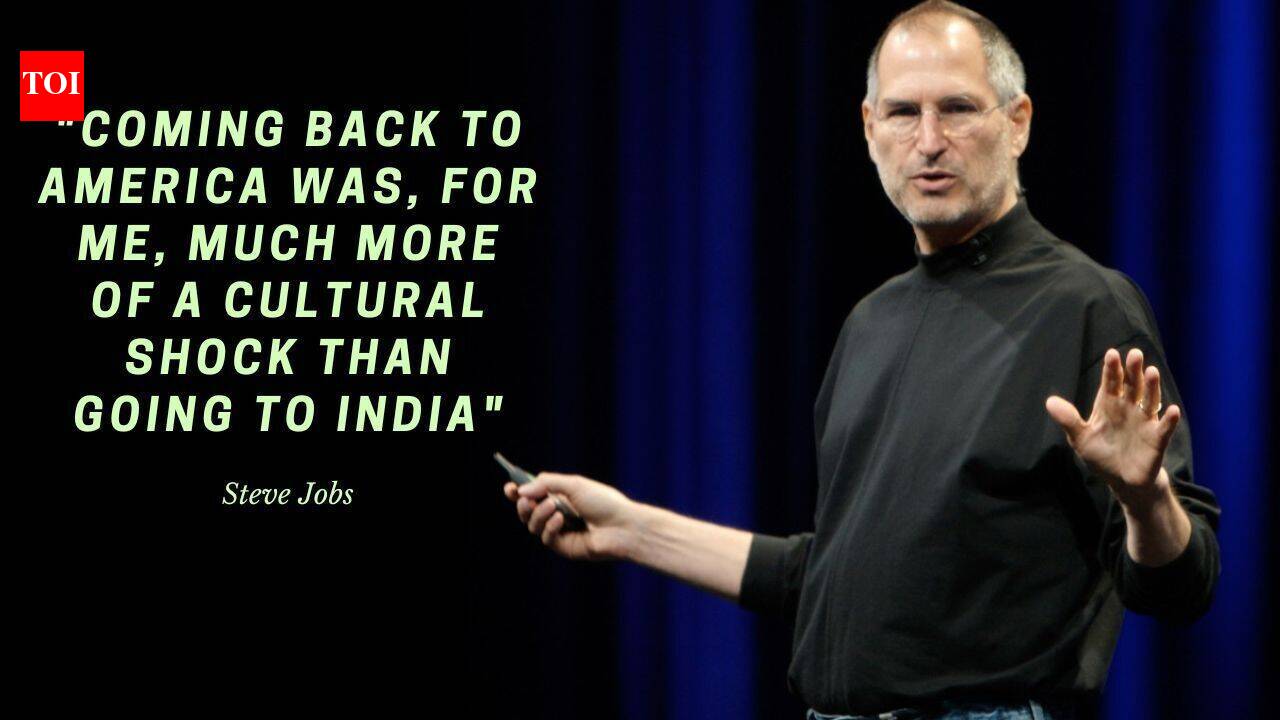
When Steve Jobs stated, “Coming again to America was, for me, rather more of a cultural shock than going to India,” he wasn’t speaking about cultural points of interest, UNESCO monuments or tiger reserves. He made this comment years after his life-changing journey to India and he was describing how journey can quietly rewrite the way in which we see the world and our personal selves. For travellers, typically the most important shock is not the vacation spot however the second they return house and realise the change in themselves.When a 19-year-old Steve Jobs travels to India Steve Jobs was simply 19 in 1974 when he travelled all the way in which from the USA to India. Simply out of faculty, Jobs wasn’t on the lookout for a vacation however he was in the hunt for spirituality. Throughout his quest, he reached Nainital, Uttarakhand within the ashram of Neem Karoli Baba in Kainchi Dham. Nonetheless, by the point Jobs arrived, the revered Hindu mystic had already left Earth. However Jobs continued travelling throughout northern India and explored hidden villages, historic temples, and plenty of ashrams. He was simply attempting to know a tradition which was fully completely different from what he had recognized since childhood. His India sojourn lasted a number of months and uncovered him to India’s beautiful contrasts. An expertise that modified his life

Coming again to Americ…
And his perspective. Years later, Jobs based one of the vital profitable firms. He stated that India taught him to understand instinct in a means Western tradition usually neglected. He noticed that many individuals he met appeared to belief intuition greater than analytical considering.And that lesson would later turn into a part of his design philosophy. Former colleagues usually described Jobs as somebody who relied closely on instinct whereas making essential choices.Reverse tradition shock“Coming again to America was, for me, rather more of a cultural shock than going to India.”For a lot of travellers, this sense is reverse tradition shock. Why would coming house really feel stranger than leaving? So for many who don’t know, reverse tradition shock occurs when returning travellers wrestle to reconnect with their common routines and values or tempo of life they as soon as thought of regular.What journey psychologists sayJourney psychologists have lengthy famous that immersive journeys can reshape every day habits. A traveller who spends months in one other tradition usually returns with a brand new appreciation for simplicity, spirituality, meals, neighborhood or work-life steadiness, amongst others.Jobs’ phrases seize this completely. India itself wasn’t the best shock. Realising how a lot he had modified after returning house was.Not simply Jobs however a variety of international figures are drawn to India in the hunt for spirituality. For many years, travellers have visited India for yoga, meditation, and religious studying. Locations akin to Rishikesh, Varanasi, Bodh Gaya, Dharamshala and Auroville proceed to draw guests.Affect of Kainchi Dham
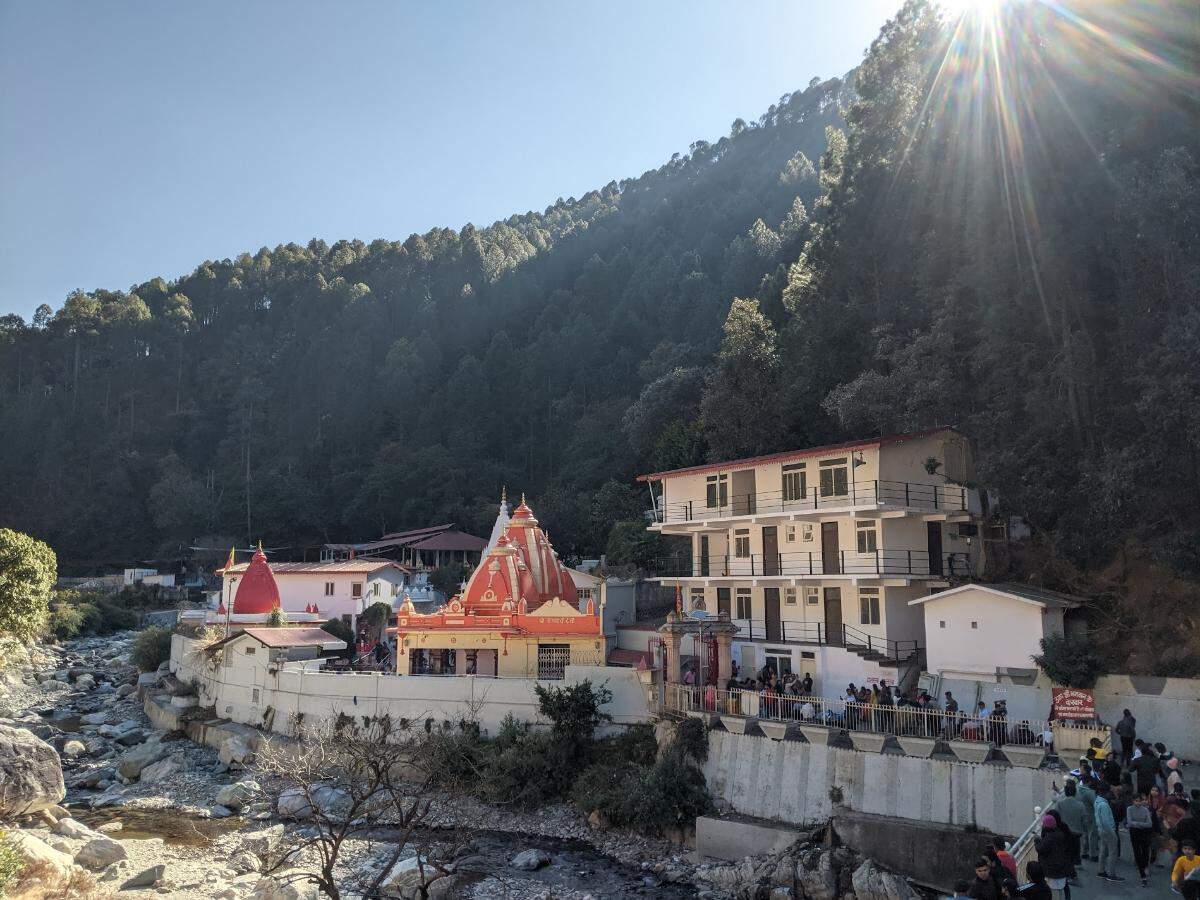
Kainchi Dham
Kainchi Dham nonetheless welcomes 1000’s of tourists looking for Neem Karoli Baba. The temple gained renewed worldwide consideration after worldwide names like Steve Jobs and Mark Zuckerberg publicly acknowledged its affect on their lives.Briefly, typically the journeys that educate us essentially the most are additionally the least comfy. For travellers at present, his expertise gives a reminder that the true worth of a journey can’t all the time be measured in kilometres travelled or images taken.Generally, the vacation spot modifications you so profoundly that house not feels precisely the identical. Maybe that is one in all journey’s best items. The world might stay precisely the place it’s—however after a very significant journey, the particular person returning house is not fairly the identical.