

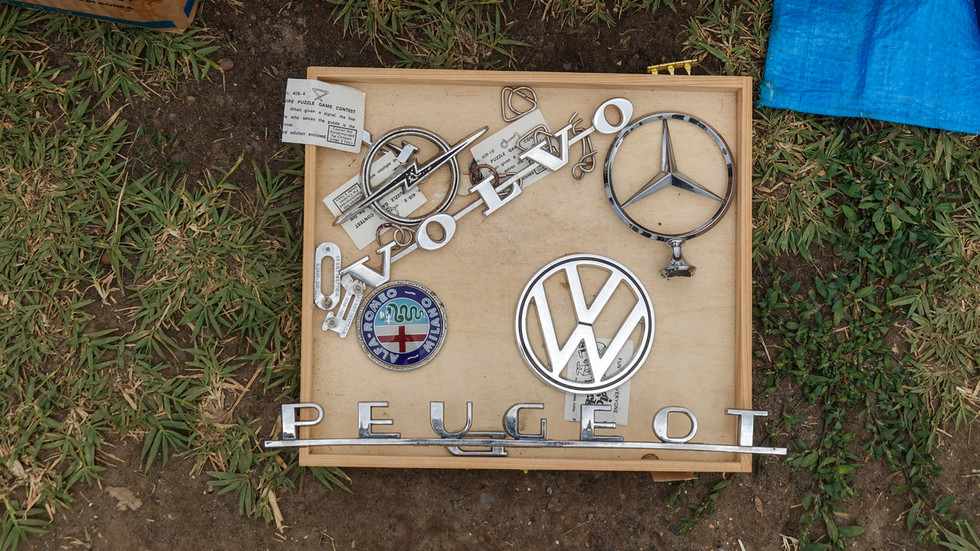
Plant closures and layoffs expose an ideal storm fueled by the shift away from Russian vitality, inexperienced insurance policies, and fierce world competitors
European carmakers are dealing with one of many hardest crises of their historical past. Plant closures, layoffs, and shrinking income have turn into more and more frequent as Chinese language electrical car producers proceed to develop their world footprint.
German luxurious carmaker Porsche has turn into the newest sufferer. The corporate is anticipated to chop an extra 4,000 jobs, the Handelsblatt newspaper reported on Monday. In March, the sports activities automotive producer reported a 93% drop in working income following a pricey pivot away from its long-term EV technique.
However these setbacks are solely a part of the story. Behind them lies a mixture of hovering vitality prices, mounting regulatory strain, shifting provide chains, and intensifying worldwide competitors that’s reshaping one of many area’s most necessary industries.
How unhealthy is the disaster?
For the reason that Covid-19 pandemic and the worldwide semiconductor scarcity, European carmakers have been battered by weakening client demand and persistently excessive manufacturing prices, largely pushed by elevated vitality costs.

The hunch is obvious in gross sales. Throughout the EU, new automotive registrations in 2025 remained almost 30% under 2019 ranges, whereas the UK market additionally did not recuperate to its pre-pandemic efficiency.
On the similar time, costly vitality has left European producers at a aggressive drawback in contrast with many rivals in Asia and North America.
The pressure is already triggering deep restructuring throughout the business. Volkswagen, Mercedes-Benz, and BMW have introduced job cuts and cost-cutting measures; Stellantis has lowered output at a number of European vegetation, notably in Italy; Renault is continuous its restructuring in France; and the UK has seen manufacturing unit closures as producers wrestle to comprise rising prices.
Which nations have been hardest hit?
The disaster is weighing most closely on nations the place the automotive business is a serious supply of jobs and financial development. In 2019, the sector supported round 13.8 million jobs – 6.1% of whole EU employment – and accounted for greater than 7% of the bloc’s GDP.
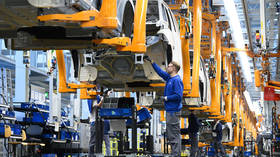
Germany has been hit hardest, with the business shedding round 125,000 jobs since 2019. In France, automotive employment has fallen by roughly a 3rd since 2010, dropping from about 425,000 to fewer than 290,000 employees. In Italy, the broader manufacturing sector has misplaced greater than 103,000 jobs since 2008, whereas an extra 12,650 automotive positions are thought of in danger.
Spain additionally stays closely reliant on car exports, whereas the Czech Republic, Slovakia, and Hungary are much more uncovered, with a lot of their industrial output depending on foreign-owned carmakers. Because of this, even comparatively small manufacturing cuts can have an outsized impression on jobs and regional economies.
Outdoors the EU, the UK additionally stays weak. Though its automotive sector is smaller, it nonetheless helps round 200,000 manufacturing jobs and a few 800,000 positions throughout the broader business.
How a lot of the issue stems from vitality costs?
Power prices have turn into one of many key structural pressures on Europe’s auto business. After the disruption of conventional vitality flows, the shift away from comparatively low cost Russian pipeline fuel has elevated reliance on costlier options, together with liquefied pure fuel (LNG) imports from the US. For an energy-intensive sector comparable to automotive manufacturing – the place metal, aluminium, chemical substances, and battery supplies are important inputs – this has raised prices throughout the complete worth chain.

The impression extends past last meeting vegetation. Suppliers of metals, plastics, and battery cells have additionally confronted greater enter prices, feeding via into car costs and squeezing producers’ margins. That is notably vital for electrical automobiles, which rely on energy-intensive battery manufacturing and uncooked materials processing.
Mixed with competitors from areas with decrease vitality prices, this has eroded one in all Europe’s conventional benefits: low cost and secure industrial vitality. Because of this, vitality has shifted from a aggressive power to a persistent headwind for European automakers.
Why are European carmakers shedding floor to China?
Europe’s weakening place within the world auto market is more and more linked to the rise of China because the main EV powerhouse. Chinese language producers have scaled up manufacturing quickly, supported by totally built-in home battery provide chains – from uncooked supplies processing to cell manufacturing – giving them a structural value benefit over European rivals.
An unlimited home market additionally permits Chinese language companies to supply at far bigger volumes, reducing unit prices and rushing up innovation. In contrast, Europe’s market is fragmented throughout a number of nations and regulatory programs.
European automakers additionally face greater manufacturing prices, notably for vitality and labor, alongside heavier regulatory necessities linked to emissions targets and industrial coverage. In line with the Worldwide Power Company, China produced 12.4 million electrical vehicles in 2024, in contrast with 2.4 million within the EU and round 80,000 within the UK – roughly 5 occasions the mixed European output.
The inexperienced transition impression

Beneath EU local weather coverage, automakers should meet more and more strict CO₂ emissions targets, whereas the bloc plans to section out new petrol and diesel vehicles by 2035. This has pressured producers to speculate closely in EV platforms, battery vegetation, software program, and manufacturing unit upgrades properly earlier than these investments generate returns. The UK is following the same path via its Zero Emission Car (ZEV) Mandate, requiring rising EV gross sales forward of a 2030 ban on new inner combustion engine automobiles.
The strain has been amplified by slower-than-expected EV adoption throughout Europe. As demand lags behind targets, automakers are caught between pricey EV investments and continued reliance on petrol and diesel fashions to maintain income.
A number of carmakers warn that each EU guidelines and the UK’s ZEV targets danger shifting quicker than client demand. Critics say regulation has outpaced market readiness, whereas supporters argue that slowing the transition would go away Europe trailing within the world shift to wash mobility.
Why aren’t Europeans shopping for new vehicles?
Years of excessive inflation have squeezed family budgets, making customers extra reluctant to make big-ticket purchases. Though the European Central Financial institution and the Financial institution of England have begun reducing rates of interest, borrowing prices stay properly above pre-2022 ranges, protecting automotive loans and leasing costly.

On the similar time, new automotive costs have surged because the pandemic as greater manufacturing prices have been handed on to consumers, additional eroding affordability.
The transition to electrical automobiles has added one other impediment. Whereas EV costs are progressively falling, they continue to be greater than comparable petrol and diesel fashions, and issues over charging infrastructure, driving vary, and resale values proceed to dampen demand.
Authorities coverage has additionally weighed on gross sales. A number of nations have scaled again or scrapped EV subsidies amid price range pressures. Germany, Europe’s largest automotive market, ended its buy incentives in late 2023, contributing to a pointy decline in EV registrations.
What are European governments doing to deal with the disaster?
European governments try to help the auto business with out derailing the transition to cleaner transport, combining monetary incentives, industrial funding, and extra versatile local weather guidelines.
The EU has invested in home EV and battery manufacturing, funding battery vegetation, essential uncooked supplies, and charging infrastructure. It has additionally imposed tariffs on Chinese language-made EVs over alleged unfair subsidies and relaxed CO₂ compliance guidelines by giving automakers extra time to fulfill emissions targets. The UK has retained its ZEV Mandate whereas easing some compliance necessities and pledging additional funding in home battery manufacturing and EV provide chains.
What occurs if Europe fails to reverse the development?
With hundreds of thousands of jobs tied to the auto sector, a protracted decline would prolong far past manufacturing unit gates, hitting suppliers, native economies, and whole industrial areas. Analysts warn that additional shrinkage might cut back exports, deter funding, weaken one in all Europe’s key manufacturing sectors, and improve strain on public funds.
The disaster additionally carries strategic dangers. As China strengthens its lead in EVs and battery know-how, Europe dangers shedding its automotive edge and changing into extra depending on imported automobiles, batteries, and significant applied sciences.