


The grim scale of the monetary impression of the Iran struggle on UK households has been laid naked, with power payments set to soar by greater than £221 a yr from July.
The rise in Ofgem’s value cap – the most important since 2023 – has been triggered by world power markets being thrown into turmoil following the US and Israel’s assaults on 28 February.
Britons at the moment are being squeezed from all angles because the Center East battle exhibits no signal of abating.
World oil and fuel costs have surged, motorists are forking out round £15 extra on the pump, and meals payments are hovering. Britons are additionally dealing with considerably larger mortgage prices, whereas companies are being lumbered with a raft of value hikes.
Specialists are warning that the price of residing disaster is simply set to worsen, with painful power value rises attributable to hit in October, when demand will increase forward of winter.
Commentators have repurposed the time period “Trumpflation” – initially coined by economists involved concerning the inflationary potential of Donald Trump’s financial insurance policies – to explain the impression the struggle is having on Britain and around the globe.
Trades Union Congress (TUC) common secretary Paul Nowak stated: “Painful power value rises are coming down the observe – and dealing persons are already feeling the pinch with gas prices rising due to Trumpflation. The longer this struggle goes on, the higher the risk to working folks.”
Right here, The Unbiased takes a have a look at how UK households are paying the price of Trump’s struggle.
Rising power payments and oil costs
Vitality payments are set to rise by 13 per cent to £1,862 from July, costing a typical family in Britain an additional £221 a yr.

Get a free fractional share price as much as £100.
Capital in danger.
Phrases and situations apply.
Go to web site
ADVERTISEMENT
Get a free fractional share price as much as £100.
Capital in danger.
Phrases and situations apply.
Go to web site
ADVERTISEMENT
Prices have been despatched rocketing larger by Iran’s transfer to dam the essential Strait of Hormuz transport route, by which a fifth of the world’s oil and fuel is carried. Final month, oil hit a excessive value of $126 a barrel. It now sits just below $93 in comparison with earlier than the struggle, when it traded across the $65-70 vary.
The worth cap surge will likely be a serious concern for households, largely as a result of there’s solely a restricted quantity folks can do to cut back the quantity of electrical energy or fuel they use.
Fixing your tariff forward of time and utilizing value comparability web sites are two ways in which households can attempt to restrict the impression of the rise. Shoppers may also transfer off variable pricing offers, which might go away them uncovered to additional rises.
Cornwall Perception’s forecasts recommend the following cap in October will likely be at an analogous stage to July, even when the Center East battle have been to finish quickly, due to the bodily harm to infrastructure and the lingering impact of disrupted provide.
Ofgem chief govt Tim Jarvis stated the worth change “displays continued volatility in world power markets”. Vitality secretary Ed Miliband stated the rise was “due to a struggle we didn’t select”.
Petrol costs
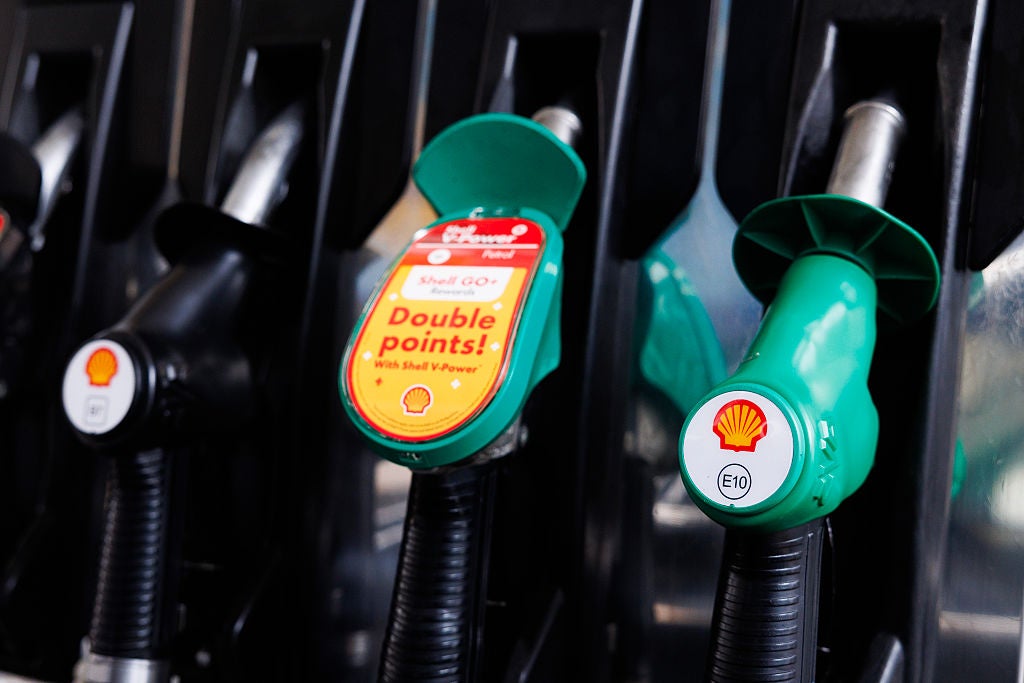
On Tuesday, it emerged that petrol pump costs had hit a brand new excessive for the reason that Iran struggle started.
The typical value of a litre of petrol was 159.43p – that’s 26.6p costlier than on 28 February.
The RAC says the price of a 55-litre tank of petrol for a mean family-sized automotive now prices £87.69. That’s up a complete of £14.63 in comparison with earlier than the struggle began – an increase of 20 per cent, or one-fifth.
It’s even worse for diesel automotive homeowners: with a litre now costing 185.5p, the worth of filling your tank is a whopping £102.02.
Nonetheless, the wholesale value of petrol has just lately fallen, with shopper teams hopeful it can quickly be mirrored at pumps – although some firms have been criticised for being too fast to boost costs and too gradual to decrease them once more.
Heating oil
In the meantime, heating oil – derived from a distinct product and thus a distinct pricing market to the oil used for automotive gas – nonetheless sits 50 per cent larger than its pre-Iran struggle value, regardless of having come down from earlier surprising highs.
The mechanics of that market imply value modifications are felt extra rapidly by householders – each going up and coming again down – as seen by the worth surging from round 60p per litre in mid-February, to a excessive of 134p only one week into March.
That equated to an increase of greater than 120 per cent in little greater than per week, resulting in some prospects being unable to get a hard and fast value for a refill of their tanks till the day of supply.
On 27 Could, heating oil has fallen again to 90p per litre, persevering with a gradual descent which started in early April.
Meals store
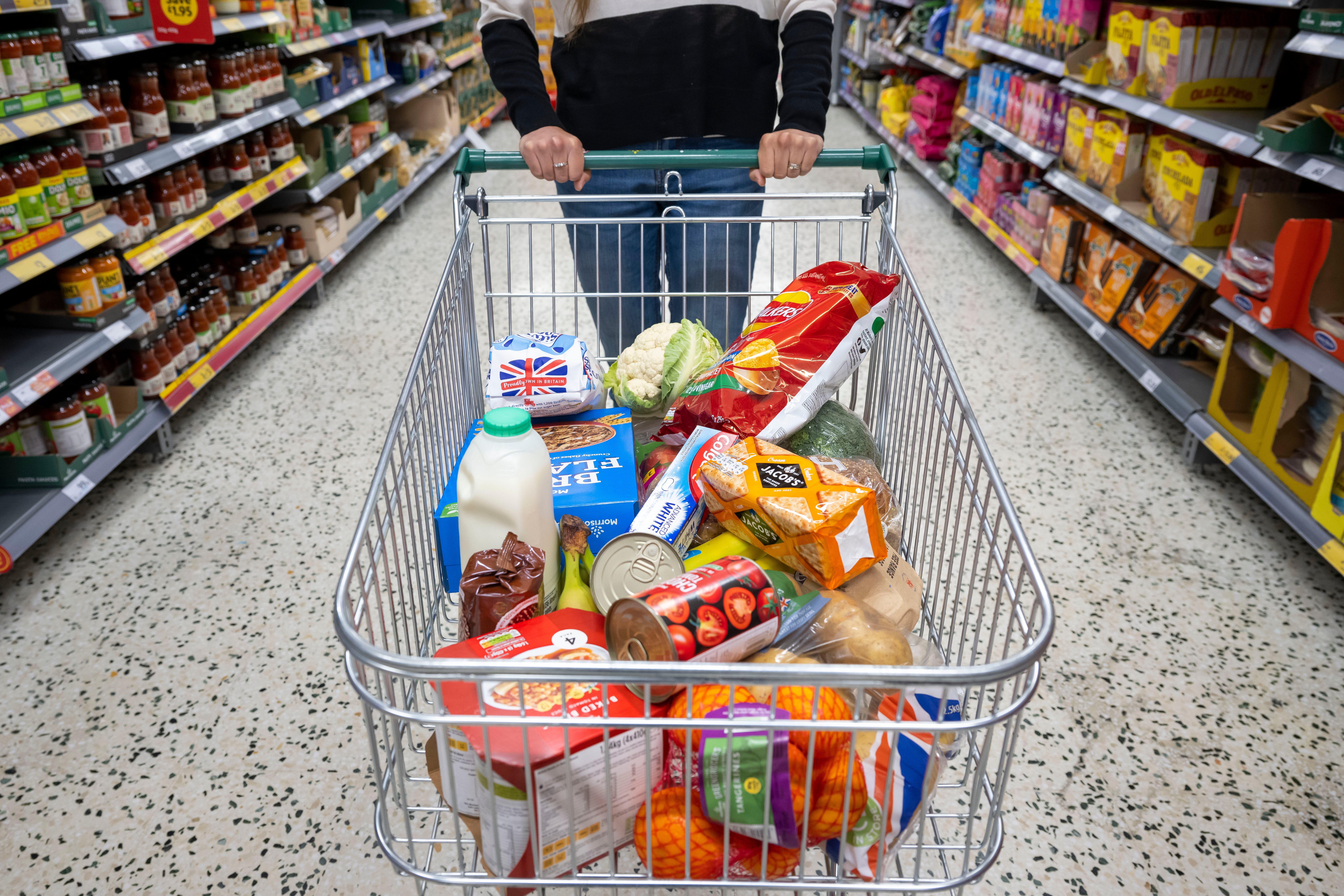
At first of April, the Meals and Drink Federation (FDF) warned grocery prices may surge by as a lot as 10 per cent throughout 2026, largely on account of rising power prices. There are additionally lingering issues over larger fertiliser costs, one other commodity that’s repeatedly shipped by the Strait of Hormuz.
Sadly, whereas petrol prices are fluctuating up and down, the identical is unlikely to be true for meals costs, says the Vitality and Local weather Intelligence Unit (ECIU).
The info confirmed that, on common, shelf costs fell by just one per cent of the unique value rise after six months and by solely 5 per cent a yr after the worth shock.
“Buyers feeling that costs are on a unending escalator upwards is borne out by the info,” Chris Jaccarini, meals and farming analyst on the ECIU, stated. “Conflict and excessive climate are more and more pushing up the price of the weekly store, with the most recent battle within the Center East driving up the worth of oil, fuel and fertiliser used to develop, ship and course of meals.”
Evaluation has proven {that a} typical annual family buying invoice may rise by £588.
Henry Dimbleby, former lead of the federal government’s Nationwide Meals Technique, described meals inflation as “brutal” – and warned it can “preserve biting until we deal with the underlying causes”, together with reliance on fossil fuels and a scarcity of resilience in meals manufacturing.
Current information additionally confirmed the price of British favorite fish and chips has nearly doubled since 2019, with the worth of cod and haddock rising on the again of wars in Iran and Ukraine, and oil costs additionally spiralling this yr.
Rates of interest and mortgages
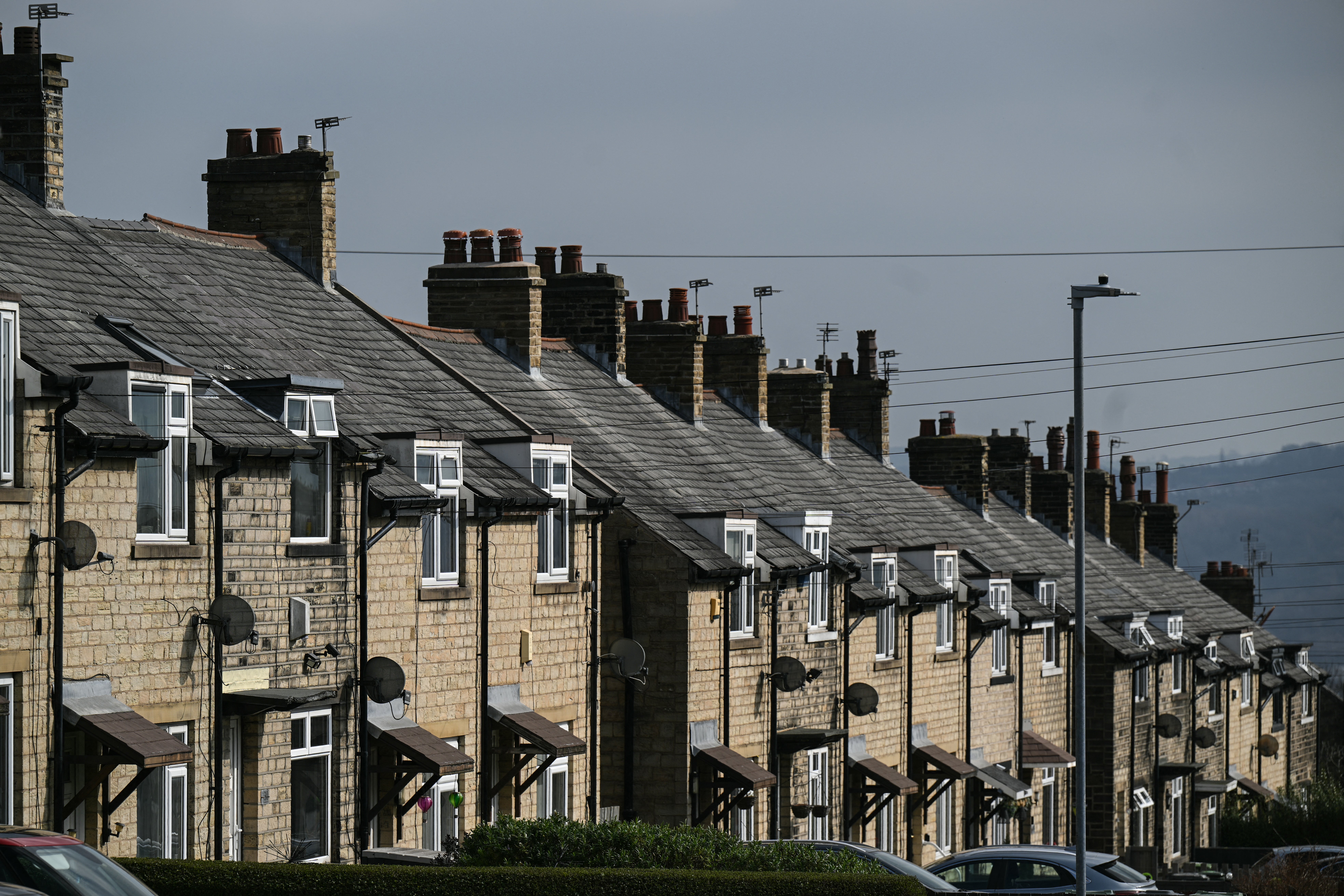
An extended-term knock-on impact may include rising costs – in different phrases, inflation – resulting in the Financial institution of England voting to boost rates of interest in an try to cease them spiralling even larger.
To date this yr, the BoE has held agency at 3.75 per cent, however there stays an actual chance that will probably be lifted again to 4 per cent, and even larger, later this yr.
Mortgage charges have already shot up because the market behind them reacts sensitively to the prospect of rate of interest modifications.
Moneyfacts information exhibits that, in comparison with 28 February, the rate of interest on a mean two-year residential repair is up 0.89 proportion factors, from 4.84 to five.73 per cent.
Information from Finder exhibits the typical UK residential mortgage in 2025 had round £137,500 excellent.
As an illustration of how a lot of a real-terms improve these proportion modifications make, one of these mortgage with 20 years left would see a rise of greater than £68 in month-to-month repayments, or £821 throughout the complete yr.
5-year offers, in the meantime, are up 0.7 proportion factors, from 4.96 per cent pre-war to five.66 per cent at present. Common two-year offers did briefly peak at 5.9 per cent in early April, whereas it was a 5.78 per cent peak for a five-year repair.
Rachel Springall, finance knowledgeable at Moneyfacts, inspired homebuyers or these searching for a renewed deal to get knowledgeable recommendation.
“Mounted mortgage charges have fallen since their peaks witnessed again in April, however they’re nonetheless a lot larger than they have been at first of March,” she stated.
“Whereas it has been a quiet week for fee strikes, it’s nonetheless an important time for debtors to hunt recommendation to navigate the mortgage maze in the event that they want a brand new deal.”
AJ Bell’s Sarah Coles, head of non-public finance, urged these with upcoming renewals to behave early and safe one of the best deal doable to stop sudden compensation hikes.
“The worth cap rise in July will even feed by into inflation figures. The Financial institution of England is tasked with maintaining inflation at 2 per cent, which is why the market has been pricing in two rate of interest rises by the tip of the yr,” she stated.
“It’s price buying round for a brand new repair as quickly as you’ve got six months left to run in your mounted fee deal. If mortgages get cheaper, yow will discover a greater deal, but when they’re pricier, you’ll have locked in a relative cut price.”