

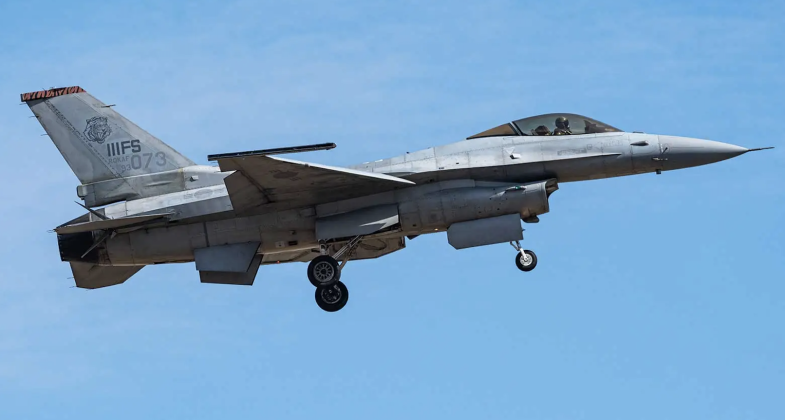
A South Korean Air Drive F-16C fighter assigned primarily based in Chungju crashed in a mountainous space throughout an evening coaching flight on February 25, with the pilot ejecting efficiently and confirmed secure. The Air Drive arrange a particular job drive led by the vice chief of employees to find out the reason for the crash. The F-16 fell on a hillside, igniting a hearth, though native firefighters have been shortly to reply, and commenced extinguishing efforts nearly instantly. The incident occurred on the identical day as a Turkish Air Drive F-16C fighter assigned to the crashed throughout a coaching flight close to the west of the nation, killing the pilot at round 1am, native time. The incident was the second crash of an F-16 in South Korea in lower than a month, after a U.S. Air Drive F-16 crashed on January 31.
The F-16 has been concerned in a number of crashes in latest months, with a Republic of China Air Drive F-16V fighter having crashed throughout a routine coaching mission on January 6, marking the newest of a number of fighter losses by the service to accidents lately. An F-16 fielded by the Polish Air Drive crashed throughout an airshow rehearsal close to Radom, central Poland, in August. Ukrainian Air Drive F-16s have suffered a very excessive crash charge, though this has been attributed to the complexity of their anti-drone duties and the shortage of expertise of native pilots, because the fighters have been rushed into service for wartime use. This has reportedly resulted in skilled U.S. and Dutch pilots being dispatched as contractors to fly the plane for the service. It’s notable, nevertheless, that F-16 crashes have been extremely concentrated in South Korea. When the U.S. Air Drive on January 31 confirmed that an F-16 underneath the eighth Fighter Wing had fallen into the ocean close to the western South Korean metropolis of Gunsan, it marked the third crash of a U.S. F-16 in Korea in underneath 9 months.
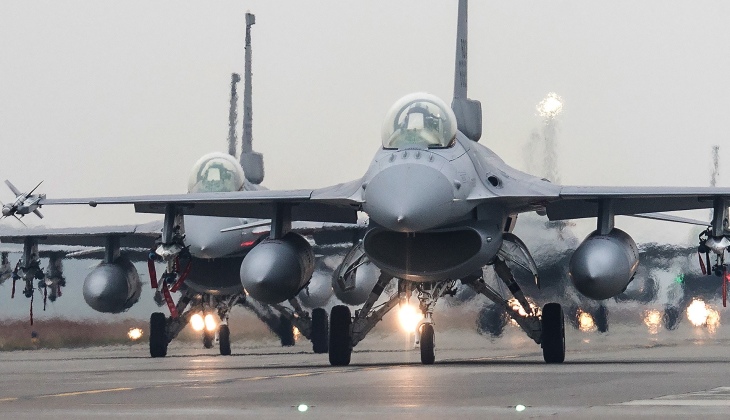
Beforehand a U.S. Air Drive F-16C crashed into farmland close to Osan Air Base, South Korea, throughout a routine coaching flight, on Might 6, 2023, after which one other U.S. F-16 skilled an in-flight emergency and crashed into the Yellow Sea off South Korea’s west coast on December 11 that 12 months. The efficiency report of F-16 squadrons primarily based in South Korea has been among the many poorest within the U.S. Air Drive by way of their security report. Domestically operated F-16s have additionally suffered from a not insignificant crash charge, with a South Korean F-16D twin seat fighter having crashed on June 11, 2025 throughout a coaching train in Alaska, whereas previous this in November 2022 a South Korean F-16C skilled an engine failure and crashed west of Wonju. An extra accident, though not leading to a crash, noticed two South Korean F-16s by accident launched reside Mk-82 bombs on a civilian space close to Pocheon throughout an train in March 2025.
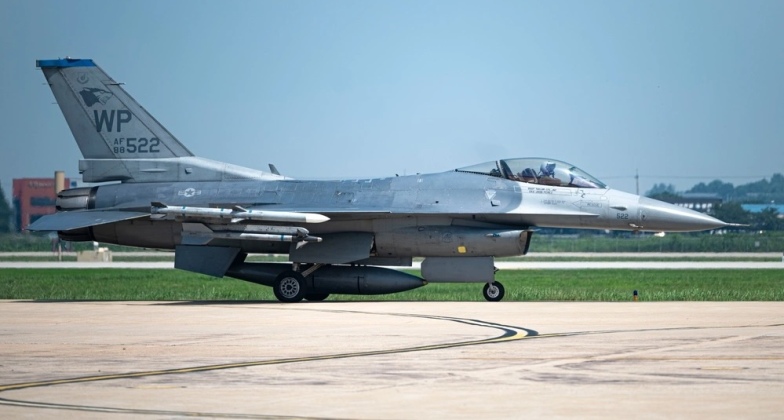
An estimated greater than 750 F-16s have been misplaced two crashes for the reason that kind first entered service in 1978, though early F-16 years operated within the late Seventies and 1989s had considerably greater accident charges than these at present in service. Losses signify near 19 % of all F-16s ever constructed. The crash charge of the fighter’s successor, the F-35A, has been considerably decrease, regardless of points with the plane’s advanced software program having instantly precipitated crashes up to now. The South Korean Air Drive is at present one of many largest operators of the F-16, and has modernised a portion of its fleet to the F-16V commonplace integrating fifth era stage avionics and weaponry. The plane are anticipated to start to be phased out of service and changed by indigenously developed KF-21 fighters within the mid-late 2030s.