

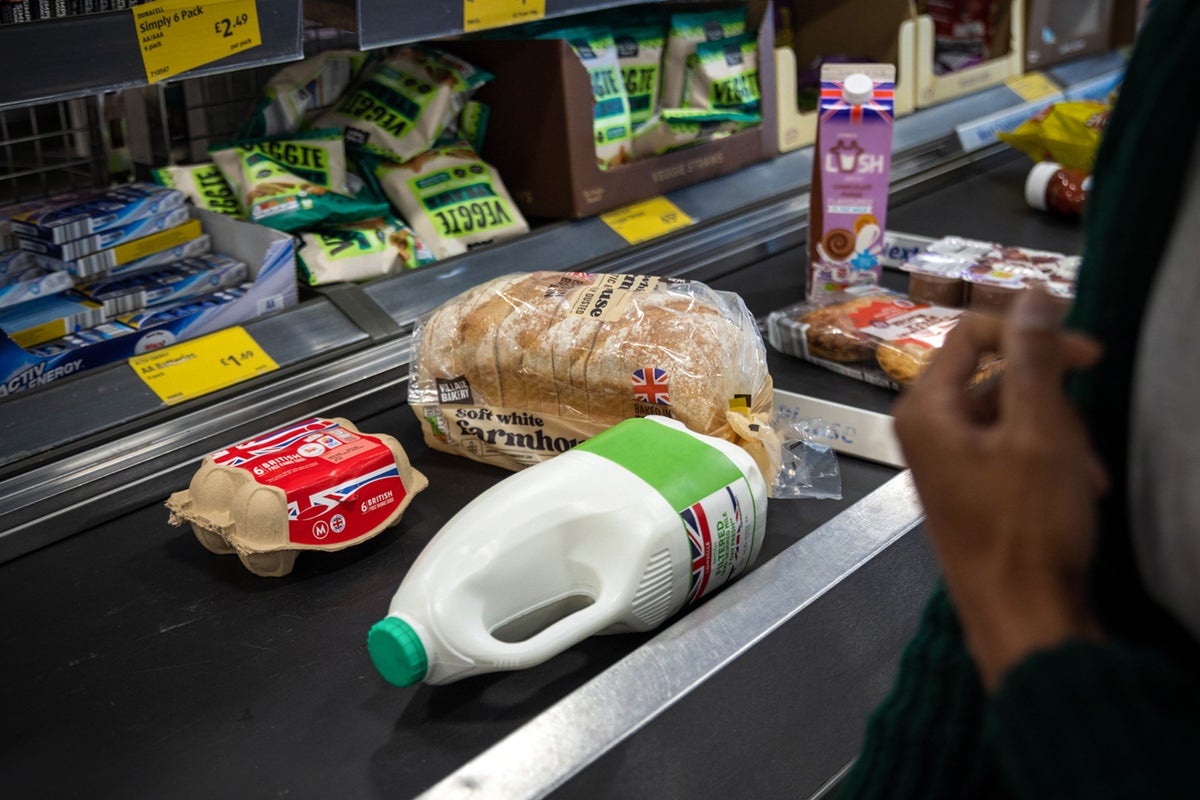
UK inflation rose unexpectedly in December, pushed by will increase in airfares, transport prices and tobacco costs.
The shock climb to three.4 per cent – up from 3.2 per cent in November 2025 – got here regardless of a fall in rents and worth rises slowing for on a regular basis groceries corresponding to butter and tea, the Workplace for Nationwide Statistics (ONS) stated.
The uptick in client worth inflation (CPI) was partly on account of airfares rising 11.0 per cent year-on-year, a a lot bigger enhance than the rise of simply 0.3 per cent in November. This was prone to have been right down to larger demand for journey over the Christmas interval, together with the timing of college holidays.
Previous to December’s numbers, CPI had held on the similar price or fallen for 4 consecutive readings, ranging from July’s 3.8 per cent stage. CPIH, the inflation figures together with family prices, rose to three.6 per cent for the 12 months to December.
ONS chief economist Grant Fitzner defined: “Inflation ticked up a little bit in December, pushed partly by larger tobacco costs, following just lately launched excise responsibility will increase.
“Airfares additionally contributed to the rise, with costs rising greater than a yr in the past, seemingly due to the timing of return flights over the Christmas and new yr interval. Rising meals prices, significantly for bread and cereals, had been additionally an upward driver.
“These had been partially offset by a fall in rents inflation and decrease costs for a spread of leisure and cultural purchases.
“The annual enhance within the costs for items leaving factories was unchanged this month, whereas the rise in the price of uncooked supplies for enterprise slowed, pushed by decrease crude oil costs.”
Reacting to the information, chancellor Rachel Reeves stated: “My primary focus is to chop the price of residing. On the finances, I introduced £150 off power payments, a freeze to rail fares for the primary time in 30 years, a freeze to prescription expenses for the second yr working, and a rise to the nationwide minimal and residing wage.

Get a free fractional share value as much as £100.
Capital in danger.
Phrases and circumstances apply.
Go to web site
ADVERTISEMENT
Get a free fractional share value as much as £100.
Capital in danger.
Phrases and circumstances apply.
Go to web site
ADVERTISEMENT
“Cash off payments and into the pockets of working folks is my alternative. There’s extra to do, however that is the yr that Britain turns a nook.”
Together with transport prices and tobacco, there have been additionally smaller month-to-month rises for clothes and footwear, eating places and accommodations, plus meals and non-alcoholic drinks. Within the latter class, there have been rising costs famous in breads and cereals in addition to greens.
Including inflation knowledge to the broader financial state of the nation, which this week noticed unemployment stay at 5.1 per cent, it’s now virtually sure that the Financial institution of England is not going to cut back rates of interest any additional when the Financial Coverage Committee (MPC) subsequent meets in February.
Analysts and markets are nonetheless pricing in two cuts throughout the course of the yr, however these are at the moment anticipated to come back later.
Yael Selfin, chief economist at accounting agency KPMG UK, defined that the supply of December’s rise in inflation wasn’t essentially one which ought to proceed to influence and that the development remained downward – with a return to the goal of two per cent inflation price potential within the coming months.
“Regardless of companies inflation rising in December, this was not reflective of domestically generated worth pressures and was largely pushed by risky classes, corresponding to airfares,” she stated. “The MPC will seemingly look via it, significantly with wage progress persevering with to sluggish, which ought to see companies inflation ease over the approaching months.
“Headline inflation elevated to three.4 per cent in December however is prone to fall step by step over the approaching months, with power and meals costs set to ease. We anticipate inflation to return to the Financial institution of England’s goal within the spring.”
By way of customers’ cash, Derek Sprawling, head of cash at financial savings app Spring, urged folks to make sure their financial savings accounts had been incomes as excessive an rate of interest as potential.
Having an rate of interest larger than the speed of inflation ensures your money doesn’t lose worth, or shopping for energy, over a time period.
“An increase in inflation tightens the squeeze on money, and with financial savings charges already easing from final yr’s peaks, the hole can widen rapidly,” he stated. “Savers ought to act now, overview their price, transfer out of low-paying legacy or bonus-ended accounts and test comparability websites for the most effective charges in the marketplace, but in addition for his or her private circumstances.
“In a excessive inflation but decreasing price market, being proactive is the most effective defence to your hard-earned financial savings.”
The most effective financial savings accounts in the marketplace can nonetheless earn as much as 4.5 per cent.
In the meantime, Sajni Shah, a cash knowledgeable at Evaluate The Market, recommended folks would reply by reducing spending the place potential. “This may solely result in extra households feeling the pinch. With the UK unemployment price above 5 per cent and client spending on non-food objects flatlining in December, rising costs may squeeze actual incomes additional,” they stated.
“On this surroundings, households might really feel compelled to chop again on discretionary spending and rely extra on borrowing simply to cowl the fundamentals. These seeking to save may need to think about purchasing round for extra aggressive offers, which may assist to cut back their family payments.”