

A southern US state has recorded its first demise from the flu for the 2025 to 2026 winter virus season.
Well being officers in North Carolina confirmed that an grownup within the western a part of the state had died after creating problems from the flu within the first week of October.
No additional particulars had been revealed, such because the affected person’s identify, age, or how lengthy they had been sick with the virus.
The demise is among the many first recorded for the 2025 to 2026 respiratory virus season, which is about to final from this month to Might subsequent 12 months.
It is available in the identical week that at the least six California counties reimposed masks mandates for guests and well being employees in sure well being care settings, together with in nursing properties, long-term care amenities and dialysis facilities.
Specialists within the state argue that the coverings can assist stop infections, regardless of a serious assessment displaying they made ‘little to no distinction’ on Covid transmission in the course of the pandemic.
North Carolina state epidemiologist Dr Zack Moore, stated: ‘This can be a unhappy reminder that flu infections will be severe and, in some instances, even deadly.
‘We encourage everybody to take preventative measures towards flu and different respiratory diseases like getting your yearly flu shot, usually washing fingers, masking your cough and staying house when sick to keep away from infecting others.’
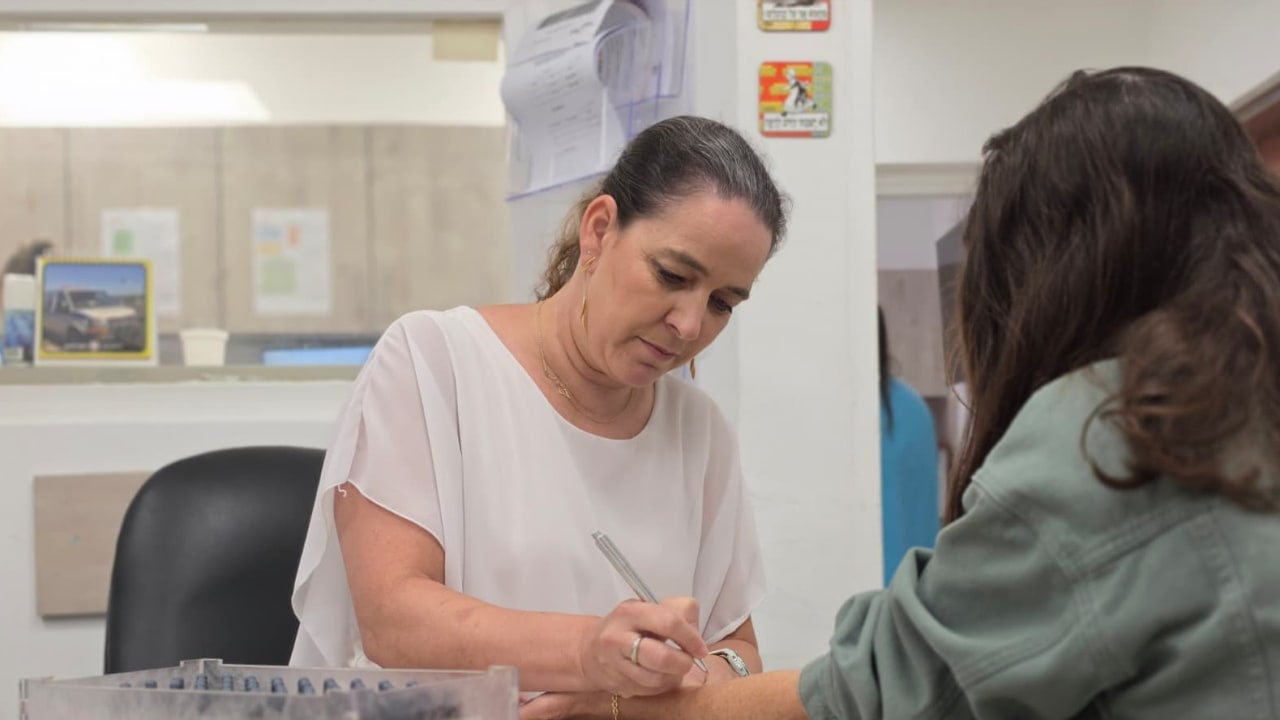
North Carolina has introduced the primary flu demise of the 2025 to 2026 flu season (inventory picture)
Most flu sufferers don’t die from the an infection, however somewhat a complication triggered by the illness. The illness can weaken the immune system, elevating the danger of somebody affected by sepsis or pneumonia, which will be deadly.
Flu ranges are at the moment ‘minimal’ nationwide, in accordance with CDC surveillance, however have risen barely in 4 states, together with North Carolina. Different states with elevated ranges are Connecticut, Illinois and Wisconsin.
Ranges of RSV and norovirus are additionally low nationwide, however Covid ranges are ‘average’, in accordance with wastewater surveillance.
Specialists warn that as colder climate hits, folks will spend extra time mixing indoors, permitting respiratory viruses to unfold simply between people. They are saying ranges are at the moment low as a result of the nation is within the early levels of the winter virus season.
Yearly, infections, hospitalizations and deaths from respiratory viruses are likely to peak between December and February, earlier than step by step declining.
Final 12 months, an estimated 40million Individuals had been contaminated with the flu, whereas 400,000 had been hospitalized and 25,000 died from problems linked to their infections, in what the CDC referred to as ‘one of many worst’ flu seasons in over a decade. In that 12 months, instances peaked in early February, earlier than step by step declining.
In North Carolina, the state recorded its worst flu season final 12 months for the reason that 2009 H1N1 pandemic, registering 544 fatalities.
North Carolina’s Division of Well being revealed the flu fatality in a press launch posted on-line on Wednesday.

It comes after six counties in California, together with Sonoma County (proven above), reimposed their masks mandates
It’s now urging all residents aged six months and over to make sure they obtain a flu vaccine.
It additionally stated Covid vaccines had been really helpful for everybody aged six months and over, even after the Robert F Kennedy-run CDC shifted its pointers to advocate Covid vaccines to these aged 18 years and older. The company says mother and father of youngsters aged six months to 17 years ought to talk about the advantages of vaccination with their physician.
Knowledge from the CDC exhibits that within the week to September 20, the newest obtainable, there have been eight flu-related deaths recorded nationwide.
That is outdoors the beginning of the 2025 to 2026 flu season, which the CDC says begins in October, however signifies that flu deaths had been doubtless recorded elsewhere within the US this week.
Wake County Director of Nursing, Tina Payton, with Wake County being the North Carolina County for Raleigh, the capital of the state in its central space, instructed ABC11: ‘We see extra respiratory diseases because it will get colder and we’re headed into that season.
‘It offers you an opportunity to construct your immunity earlier than the vacations come up, and that is at all times an enormous time the place folks get collectively indoors and there is a increased alternative for sickness.’
The information comes after at the least six counties in California’s Bay Space – Contra Costa, Santa Clara, Sonoma, Napa, San Mateo and Santa Cruz – reimposed masks mandates in some well being care settings.

The above graph from the North Carolina Division of Well being exhibits the proportion of ED visits as a consequence of respiratory viruses over the past 12 months

Flu exercise stays minimal throughout a lot of the US, though it has ticked up barely in 4 states, Connecticut, Illinois, North Carolina and Wisconsin
Beginning November 1, every would require well being employees and, in some instances, guests or sufferers, to put on face coverings in medical settings utilized by frail, ailing or susceptible sufferers.
The mandate in Sonoma County has been set to be renewed yearly until it’s repealed.
There are scant studies of different counties contemplating face masks mandates at current, though specialists say this may occasionally shift as cooler climate approaches.
Knowledge for North Carolina exhibits visits to the state’s Emergency Departments for a respiratory illness dropped to five.4 p.c of the overall within the week to October 4, the newest obtainable, down from 6.4 p.c within the earlier seven-day interval.
Covid-like diseases, infections which might be suspected to be Covid however aren’t confirmed, had been the commonest purpose for ED visits, behind 1.8 p.c within the newest week, adopted by flu-like, at 0.6 p.c, and RSV-like, at 0.2 p.c, with each of those additionally being infections suspected to be down to those ailments that had not been confirmed through exams.
The remaining 2.8 p.c didn’t have the kind of respiratory virus they had been affected by decided.